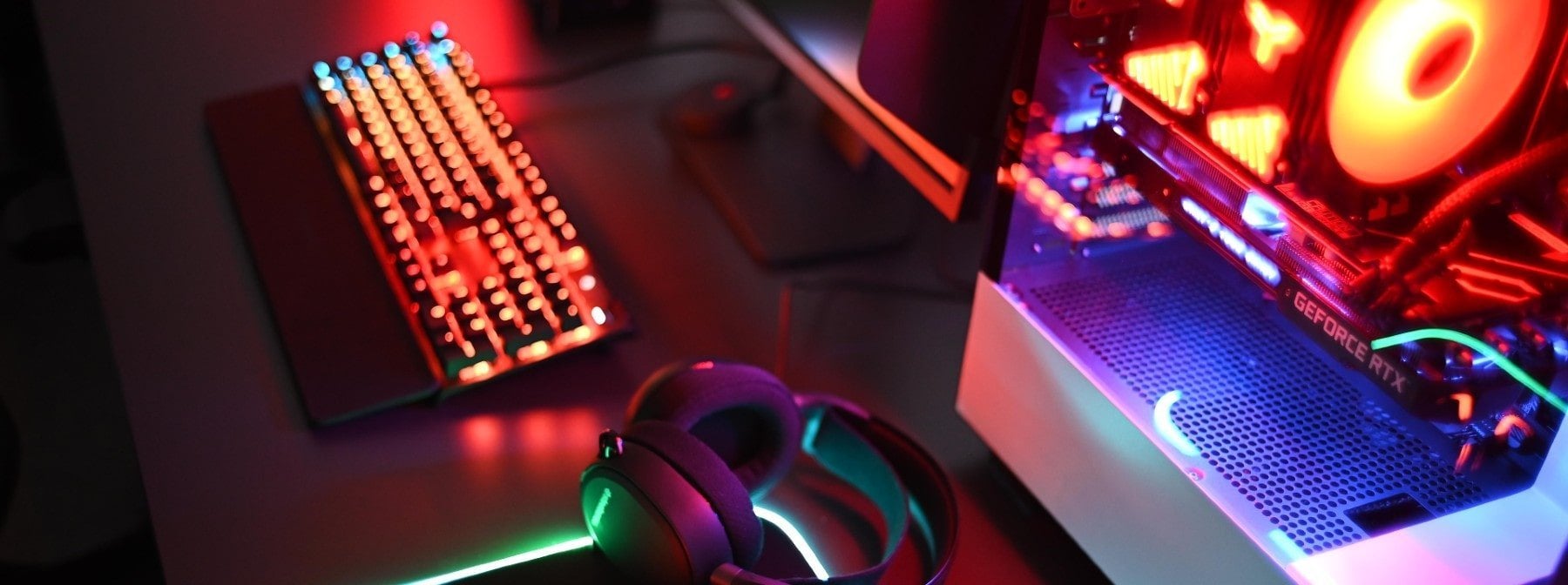
Esports ist eine der am schnellsten wachsenden Sportarten der Welt, aber die intensiven Anforderungen, die an Esports-Athleten gestellt werden, sind weniger gut bekannt.
Da der Sport immer beliebter und wettbewerbsfähiger wird, müssen sich professionelle Gamer auf ihre Ernährung konzentrieren, um ihr Skills zu verbessern. Die Art und Weise, wie man seinen Körper mit Nährstoffen versorgt, ist entscheidend dafür, wie man sich fühlt und wie man funktioniert. Wie andere Athleten auch müssen Esports-Athleten ein leistungsorientierte Ernährung befolgen, das es ihnen ermöglicht, ihr Bestes zu geben.
Bei der Ernährung im Esport gibt es viele verschiedene Aspekte zu beachten: Was und wann du isst, kann einen großen Einfluss auf dein Energieniveau, deine Konzentration und deine Gesamtleistung haben. Es ist wichtig, ein Gleichgewicht zu finden, das für dich funktioniert, und deinen Körper mit den Nährstoffen zu versorgen, die er braucht, um zu gewinnen.
- Warum ist die Ernährung beim Training im Esport wichtig?
- Vorteile einer verbesserten Ernährung beim Esport-Training
- Wie du deine Ernährung verbessern kannst
- Ernährung & Esport: Zusammenfassung
- Take Home Message

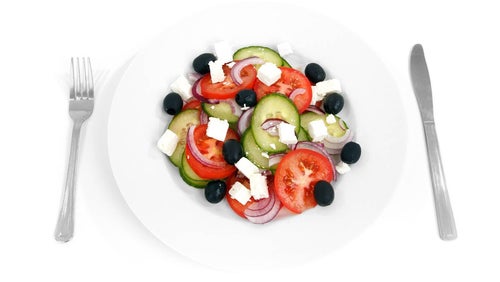
Was ist die mediterrane Ernährung? | Lebensmittelliste & Muster-Ernährungstag
Das steckt dahinter!...
Gesunde Gamer Reihe: Gaming & Mentale Gesundheit
Deswegen tun Videospiele unserer mentalen Gesundheit gut....

Reaktionszeit: Wie du sie fürs Gaming verbesserst
Mit einer schnelleren Reaktionszeit wirst du das Game dominieren!...
Warum ist die Ernährung beim Training im Esport wichtig?
Auch wenn sich die körperlichen Anforderungen im Esports deutlich von denen anderer Sportarten unterscheiden, gibt es bestimmte Elemente, die sich überschneiden und in einigen Fällen eine höhere Belastung als bei anderen Sportarten erfordern.
Im Gegensatz zu anderen Sportarten gibt es für Esports-Athleten keine wirklich "einfachen" Tapering-Sessions. Vielmehr müssen sie während des Trainings bis zu 12 Stunden am Tag ein ähnliches Maß an intensiver Konzentration und Anstrengung aufrechterhalten.
Schlaf, Bewegung und Stressbewältigung spielen eine wichtige Rolle für die Leistung - aber erst die Ernährung sorgt dafür, dass sie körperlich und geistig Höchstleistungen vollbringen. Je gesünder ein Spieler außerhalb des Sports ist, desto besser wird er im Sport sein.
Die Erfolgsspannen im Esport sind hauchdünn, daher ist es wichtig, die allgemeine Gesundheit durch Dinge wie Ernährung aufrechtzuerhalten. Sekundenschnelle Entscheidungen, Strategieplanung und Problemlösung sind nur einige der ständigen Anforderungen, die an Esports-Athleten gestellt werden.
Trotzdem sind sich viele Teilnehmer der kognitiven Anforderungen des Esports nicht bewusst und bereiten sich nicht so auf den Wettkampf vor, dass sie die besten Chancen auf Erfolg haben (1).
Vorteile einer verbesserten Ernährung beim Esport-Training
Schlechte Ernährungsgewohnheiten werden mit einer verminderten kognitiven Funktion in Verbindung gebracht (2). Dies kann teilweise durch eine verstärkte Entzündung des Gehirns erklärt werden, die durch eine fett- und zuckerreiche Ernährung verursacht wird (3)(4). Andererseits wird eine gesündere Ernährung mit einer optimalen geistigen Leistungsfähigkeit in Verbindung gebracht (5).
In Anbetracht des Charakters des Esports und seiner Anforderungen sind die Ernährung am Spieltag und die Ernährung im Alltag unglaublich wichtig. Die Spieler müssen für beides Strategien haben, um optimale Leistungen zu erzielen.
Wenn Esports-Athleten ihre Ernährungsprogramme perfektionieren, können sie einige der folgenden Vorteile feststellen:
Konzentrationsfähigkeit
Ein gut regulierter Blutzuckerspiegel ist einer der wichtigsten Faktoren für die kognitive Funktion und die Konzentration (6). Einige Esport-Spieler ernähren sich minderwertig und mit einem hohen Anteil an zugesetztem Zucker. Dieser Zucker kann zu sprunghaften Schwankungen des Blutzuckerspiegels führen, die die Gehirnfunktion beeinträchtigen können.
Eine gute Möglichkeit zur Regulierung des Blutzuckerspiegels und der Konzentration besteht darin, die Aufnahme von Lebensmitteln mit hohem Zuckerzusatz zu minimieren und komplexe Kohlenhydrate und Ballaststoffe zu bevorzugen. Haferflocken eignen sich gut für das Frühstück, Vollkornkohlenhydrate (z.B. Vollkornnudeln oder -reis) für den Rest des Tages und ballaststoffreiches Obst als Zwischenmahlzeit (z.B. Äpfel, Birnen, Beeren usw.).

Wachsamkeit und Fokus
Koffein ist ein Stimulans, welches dir helfen kann, wach und konzentriert zu bleiben. Es kann auch Ihre Reaktionszeit verbessern und dafür sorgen, dass du dich weniger müde fühlst (7). Dies kann besonders bei langen Esports-Turnieren hilfreich sein.
Speziell im Esport hat sich gezeigt, dass Koffein die Leistung direkt verbessert (8). Das macht es zur idealen Wahl für Spieler, die sich einen Wettbewerbsvorteil verschaffen wollen.
Wenn du nach einer Möglichkeit suchst, deine Esports-Leistung zu verbessern, könnte Koffein eine Überlegung wert sein. Achte nur darauf, es in Maßen zu verwenden und auf deinen Körper zu hören, um negative Nebenwirkungen zu vermeiden. Zu viel Koffein kann zu Nervosität, Angstzuständen und Schlaflosigkeit führen. Am besten ist es, mit kleinen Mengen zu beginnen und zu sehen, wie dein Körper darauf reagiert.
Wie du deine Ernährung verbessern kannst
Die Ernährung lässt sich Schritt für Schritt oder mit einer kompletten Umstellung verbessern.
Eine der besten Ernährungsweisen ist die „Mittelmeerdiät“, auch bekannt als mediterrane Ernährung. Sie besteht hauptsächlich aus Vollkornprodukten, Hülsenfrüchten, Gemüse, Obst und einer bescheidenen Menge an Fisch, Milchprodukten und Olivenöl. Diese Ernährung ist reich an vielen Nährstoffen, die mit einer guten kognitiven Funktion in Verbindung gebracht werden (9).
Erfahre hier mehr über die mediterrane Ernährung
Wenn dir eine komplette Umstellung deine Ernährung etwas entmutigend vorkommt, dann gibt es ein paar einfache Änderungen, die du vornehmen kannst.
Gesundes Gehirn, bessere Leistung
Die Qualität der mit der Nahrung aufgenommenen Fette kann einen erheblichen Einfluss auf die Gehirnleistung haben. Die Aufnahme größerer Mengen "gesunder" Fette (nämlich ungesättigter Fettsäuren) wurde mit einer besseren kognitiven Funktion in Verbindung gebracht als die Aufnahme "ungesunder" Fette (gesättigte und trans-Fettsäuren) (10).
Die Aufnahme von Transfettsäuren wurde stark mit schlechteren kognitiven Fähigkeiten in Verbindung gebracht, und sie können sogar die Verfügbarkeit von Omega-3-Fettsäuren beeinträchtigen (11)(12).
Omega-3-Fettsäuren sind unglaublich wichtig für die Gesundheit des Gehirns und wurden mit der Fähigkeit in Verbindung gebracht, Sportlern zu helfen, bessere Entscheidungen zu treffen (13). Der Verzehr von fetthaltigen Lebensmitteln während der Woche (z.B. Lachs oder Makrele), die Zugabe von Chiasamen zu deinem Frühstück oder sogar die Ergänzung mit Omega-3-Fettsäuren sind gute Möglichkeiten, um deine Omega-3-Aufnahme zu erhöhen.
Profis bevorzugen Protein
Protein für Gamer mag für manche überraschend sein, aber es ist ein unglaublich wichtiger Makronährstoff für alle Leistungssportler. Auch wenn Esports-Athleten nicht die gleichen körperlichen Anforderungen oder Erholungsbedürfnisse haben, wie andere Sportarten, bedeutet das nicht, dass sie nicht von einer erhöhten Proteinzufuhr profitieren.
Protein kann dazu beitragen, den Blutzuckerspiegel zu regulieren, was sich bekanntlich direkt auf die kognitive Leistungsfähigkeit auswirkt, und hilft gleichzeitig, das Körpergewicht zu kontrollieren (14)(15).
Es gibt viele Proteinquellen, die du essen kannst, um deine Zufuhr zu erhöhen: Eier, Proteinpulver, Joghurt, mageres Fleisch, magerer Fisch, Tofu, Bohnen und Hülsenfrüchte sind allesamt gute Optionen. Eine einfache Möglichkeit, um die Proteinzufuhr zu boosten, besteht darin, einen Messlöffel Proteinpulver in die Haferflocken zum Frühstück zu mischen oder einen Wrap oder Bagel mit magerem Fleisch zum Mittagessen zu essen.
Auf der Myprotein-Website findest du außerdem eine ganze Reihe von proteinreichen Snacks, die du ebenfalls nutzen kannst. Außerdem gibt es den SELF REVIVE Mahlzeitenersatz-Shake, mit dem du ganz einfach zusätzliches Protein aufnehmen kannst. Der SELF REVIVE Shake enthält 18g Protein und eine ganze Reihe anderer Vitamine, Mineralien und Nährstoffe - und ist damit ideal für ganze Tage voller Training und Wettkämpfe.
Ernährung & Esport: Zusammenfassung
Esports ist vergleichsweise noch eine junge Sportart. Da er immer beliebter und zugänglicher wird, wird auch das Niveau der Wettkämpfe immer weiter steigen.
Daher müssen die Spieler jeden möglichen Vorteil nutzen, den sie bekommen können, und es ist schwierig, einen Vorteil zu finden, der wichtiger ist als die Ernährung.
Wenn du im Esports Karriere machen willst, musst du dich wie ein professioneller Sportler verhalten und dich stark auf deine Ernährung konzentrieren.
Take Home Message
Wenn du dich richtig ernährst, kannst du dir einen Wettbewerbsvorteil gegenüber deinen Gegnern verschaffen. Wenn der Spielraum so gering ist, musst du alles tun, um sicherzustellen, dass du derjenige bist, der am Ende die Nase vorn hat.
Was du deinem Körper zuführst, bestimmt letztendlich deine Leistung. Und deine Leistung wird sich darauf auswirken, ob du in spielentscheidenden Situationen die Oberhand behältst. Wenn du dich korrekt ernährst, werden du und dein Team vielleicht öfter als sonst als Sieger aus dem Match hervorgehen. Und das ist es doch wert, oder?

- Schütz, M. (2016). Science shows that eSports professionals are real athletes. Retrieved from https://www.dw.com/en/science-shows-that-esports-professionals-are-real-athletes/a-19084993. Accessed: 22/01/2020.
- Wright, R. S., Gerassimakis, C., Bygrave, D., Waldstein, S. R. (2017). Dietary Factors and Cognitive Function in Poor Urban Settings. Current nutrition reports, 6(1), 32-40. https://doi.org/10.1007/s13668-017-0186-x.
- Pistell, P. J., Morrison, C. D., Gupta, S., Knight, A. G., Keller, J. N., Ingram, D. K., Bruce-Keller, A. J. (2010). Cognitive impairment following high fat diet consumption is associated with brain inflammation. J Neuroimmunol, 219(1-2), 25-32. https://doi.org/10.1016/j.jneuroim.2009.11.010.
- Yeomans, M. R. (2017). Adverse effects of consuming high fat-sugar diets on cognition: implications for understanding obesity. Proc Nutr Soc, 76(4), 455-465. https://doi.org/10.1017/s0029665117000805.
- Spencer, S.J., Korosi, A., Layé, S. et al. (2017). Food for thought: how nutrition impacts cognition and emotion. npj Sci Food 1, 7 https://doi.org/10.1038/s41538-017-0008-y
- Bernard, B. N., Louise, L. C., Louise, D. (2018). The Effects of Carbohydrates, in Isolation and Combined with Caffeine, on Cognitive Performance and Mood-Current Evidence and Future Directions. Nutrients, 10(2), 192. https://doi.org/10.3390/nu10020192
- Lorenzo Calvo, J., Fei, X., Domínguez, R., & Pareja-Galeano, H. (2021). Caffeine and Cognitive Functions in Sports: A Systematic Review and Meta-Analysis. Nutrients, 13(3), 868. https://doi.org/10.3390/nu13030868j
- Sainz, I., Collado-Mateo, D., & Coso, J. D. (2020). Effect of acute caffeine intake on hit accuracy and reaction time in professional e-sports players. Physiology & behavior, 224, 113031. https://doi.org/10.1016/j.physbeh.2020.113031
- Radd-Vagenas, S., Duffy, S. L., Naismith, S. L., Brew, B. J., Flood, V. M., Fiatarone Singh, M. A. (2018). Effect of the Mediterranean diet on cognition and brain morphology and function: a systematic review of randomized controlled trials. Am J Clin Nutr, 107(3), 389-404. https://doi.org/10.1093/ajcn/nqx070.
- Cao, G. Y., Li, M., Han, L., Tayie, F., Yao, S. S., Huang, Z., . . . Xu, B. (2019). Dietary Fat Intake and Cognitive Function among Older Populations: A Systematic Review and Meta-Analysis. J Prev Alzheimer’s Dis, 6(3), 204-211. https://doi.org/10.14283/jpad.2019.9
- Golomb, B. A., Bui, A. K. (2015). A Fat to Forget: Trans Fat Consumption and Memory. PLoS One, 10(6), e0128129-e0128129. https://doi.org/10.1371/journal.pone.0128129
- Kaur, N., Chugh, V., Gupta, A. K. (2014). Essential fatty acids as functional components of foods- a review. Journal of food science and technology, 51(10), 2289-2303. https://doi.org/10.1007/s13197-012-0677-0.
- Lewis, N. A., Daniels, D., Calder, P. C., Castell, L. M., & Pedlar, C. R. (2020). Are There Benefits from the Use of Fish Oil Supplements in Athletes? A Systematic Review. Advances in nutrition (Bethesda, Md.), 11(5), 1300–1314. https://doi.org/10.1093/advances/nmaa050
- Azzout-Marniche, D., Gaudichon, C., & Tomé, D. (2014). Dietary protein and blood glucose control. Current opinion in clinical nutrition and metabolic care, 17(4), 349–354. https://doi.org/10.1097/MCO.0000000000000062
- Hansen, T. T., Astrup, A., & Sjödin, A. (2021). Are Dietary Proteins the Key to Successful Body Weight Management? A Systematic Review and Meta-Analysis of Studies Assessing Body Weight Outcomes after Interventions with Increased Dietary Protein. Nutrients, 13(9), 3193. https://doi.org/10.3390/nu13093193